Reimagine Waste as Wonderful With Easy Upcycling Techniques
In a world where climate change and environmental degradation are at the forefront of global discussions, more people are looking for innovative ways to minimize waste. One of the most creative and eco-friendly solutions is upcycling—the process of transforming unwanted items or waste materials into new products with higher value or better function. In this guide, we'll show you how you can turn trash into treasure through easy upcycling techniques that anyone can implement at home.
What is Upcycling and Why Should You Care?
Upcycling isn't just a trendy buzzword; it's a crucial element in the fight against environmental waste. Unlike recycling, which often breaks materials down for remanufacturing (sometimes losing quality in the process), upcycling preserves or enhances the value of materials. Not only does it reduce landfill contributions, but it also saves energy and resources while promoting unique creativity.
Key Benefits of Upcycling Waste
- Reduces Environmental Impact: Keeps items out of landfills and cuts pollution.
- Conserves Resources: Saves the energy and raw materials needed to make new products.
- Encourages Creativity: Challenges you to think differently about everyday objects.
- Personalizes Your Space: Creates one-of-a-kind home decor and accessories.
- Cost-Effective: Allows you to make useful or beautiful items without spending much.
- Promotes Sustainable Living: Supports a circular economy and eco-conscious choices.
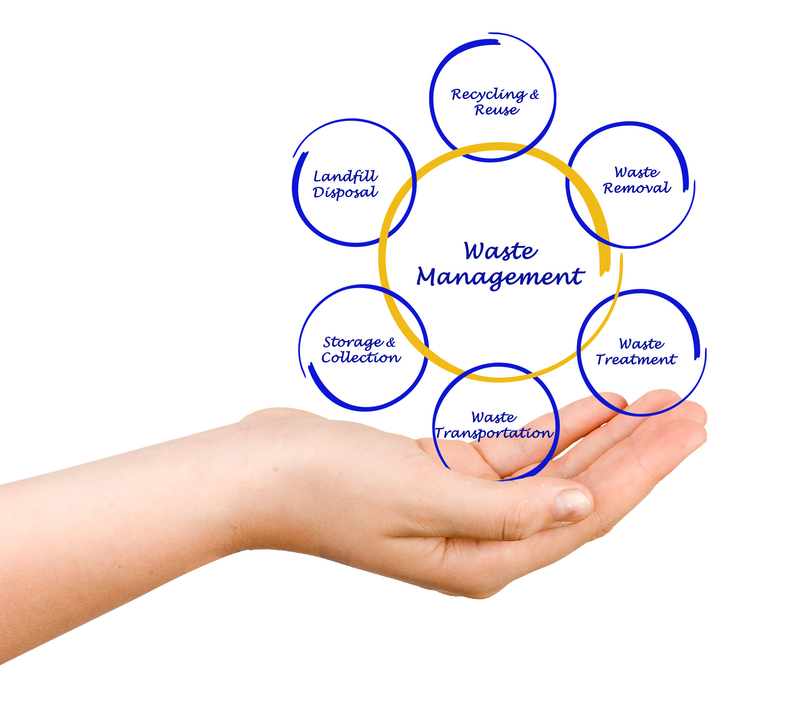
Upcycling vs. Recycling: Understanding the Difference
It's important to distinguish upcycling from recycling when reimagining waste. Recycling breaks down raw materials (like paper, metal, or plastic) to reformulate new products--sometimes lowering their quality, a phenomenon known as "downcycling." Upcycling, however, elevates waste by transforming it into something better or more useful than before, often adding aesthetic or practical value.
Getting Started: Easy Upcycling Techniques for Beginners
You don't need advanced DIY skills or expensive tools to reimagine waste as wonderful. These easy upcycling ideas are perfect for beginners and can help you see potential in things you might otherwise discard.
1. Glass Jar Transformations
- Storage Containers: Clean old jam or pickle jars thoroughly, remove labels, and repurpose them as kitchen canisters for grains, pasta, or spices. Add chalkboard paint or decorative labels!
- DIY Lanterns: Place a tealight or string of fairy lights inside to create instant garden lanterns or unique mood lighting.
- Mini Indoor Planters: Use glass jars as small planters for herbs, succulents, or cuttings. Drill or carefully punch holes in lids for drainage.
2. Repurposed Pallet Projects
- Furniture: Sand and stack wooden pallets to create rustic tables, couches, or even bed frames.
- Vertical Gardens: Attach pallets to walls, add pockets of soil and plants, and voila—a living green wall!
- Outdoor Organizers: Hang tools, shoes, or gardening gear from a mounted pallet for space-saving storage.
3. Upcycled T-shirt Creations
- Reusable Tote Bags: Cut the sleeves and neckline out, sew the bottom closed, and you've got a sturdy shopping bag.
- Rag Rugs: Braided or woven strips of old t-shirts become colorful, comfy rugs.
- Pet Toys: Tie strips into knots for safe, washable chew toys.
4. Old Furniture, New Life
- Paint and Decoupage: Sand down old chairs or tables and give them a fresh coat of eco-friendly paint. Add decoupage from recycled magazines for a unique twist.
- Repurpose Drawers: Remove drawers from old dressers and mount on walls as floating shelves or shadow boxes.
- Chair Plant Stands: Remove the seat, place a planter in the cavity, and use as funky garden art.
5. Tin Can Magic
- Candle Holders: Clean emptied food cans, punch decorative holes, and add candles for charming luminaries.
- Desk Organizers: Cover tin cans with scrap fabric or paper and use them to store pens, scissors, or crafting supplies.
- Mini Planters: Drill drainage holes and use as quirky plant pots--paint for added flair.
Creative Upcycling Techniques to Reimagine Waste at Home
Once you're comfortable with the basics, dive into more advanced upcycling techniques to make the most of your household waste. Here's how to give new and exciting life to things you'd normally throw away.
Turn Cardboard Boxes Into Chic Storage Solutions
- Decorative Baskets: Wrap cardboard boxes in rope, fabric, or wallpaper scraps for stunning, budget-friendly storage.
- Shoe Racks: Cut and stack boxes to create custom shoe organizers for closets.
- Desk Caddies: Use toilet paper or paper towel rolls to create desk organizers--decorate for extra style.
Repurpose Broken Electronics
- Clocks from Hard Drives: Fit a clock mechanism into the casing for a geeky desk clock.
- Circuit Board Jewelry: With safety precautions, cut circuit boards into pendants or earrings--amazing conversation pieces!
- Keyboard Key Magnets: Pop off keys, glue magnets to the back, and stick them on your fridge.
Wine Cork Wonders
- Pin Boards: Glue wine corks within a frame for an eco-friendly, rustic corkboard.
- Coasters and Trivets: Slice wine corks in half lengthwise and glue together in creative patterns.
Repurpose Old Jeans
- Patchwork Quilts: Use squares from worn jeans to create durable, stylish quilts or picnic blankets.
- Storage Pockets: Sew denim pockets onto a canvas or wall panel for handy storage.
- Pot Holders: Layer denim for extra heat protection when cooking.
Tips for Successful Upcycling Projects
Before you start your upcycling journey, keep these tips in mind to make the process enjoyable and effective:
- Select Quality Materials: Choose gently used items with sturdy construction for best results.
- Clean Thoroughly: Always clean and disinfect items before upcycling.
- Plan Your Design: Visualize the final outcome—sketch ideas, gather inspiration from platforms like Pinterest, and check measurements if needed.
- Use Eco-Friendly Finishes: Opt for non-toxic paints, stains, and adhesives to maintain sustainability.
- Be Patient: Some projects take time or require trial and error--enjoy the creative process!
- Involve Family and Friends: Upcycling is even more fun when shared.
How Upcycling Fosters a Waste-Positive Mindset
Making upcycling a regular habit can reframe your entire approach to waste. Instead of seeing objects as disposable, you'll begin to spot opportunities for renewal and reinvention everywhere. This waste-positive, circular mindset not only contributes to the health of our planet but also enriches your life with greater meaning and connection to the things you own.
Embracing a Creative, Sustainable Lifestyle
- Join Local Repair Cafés or Upcycling Groups: Meet others, exchange ideas, and get help for bigger upcycling projects.
- Support Eco-Friendly Brands: Look for businesses that use upcycled materials or offer repair and reuse services.
- Reduce Impulse Buying: By appreciating the value of what you already have, you'll be less likely to purchase new, disposable items.
- Share Your Projects: Post your creations on social media – inspire others to see waste as wonderful, too!
Reimagine Waste in Your Community: Upcycling for Social Good
The upcycling movement goes beyond personal projects. Organize or participate in community initiatives like swap meets, clothing drives, upcycle art shows, or neighborhood clean-up days. Schools, libraries, and community centers often host upcycling workshops that teach valuable skills while reducing waste on a larger scale.
Frequently Asked Questions: Upcycling Techniques and Reimagining Waste
What materials are easiest to upcycle for beginners?
Start with glass jars, tin cans, cardboard boxes, t-shirts, jeans, and wooden pallets. These are widely available and simple to transform with basic tools.
How can I make upcycled items look stylish?
Use cohesive colors, patterns, or materials to create a unified look. Add finishing touches like labels, handles, or eco-friendly paints. Your imagination is the only limit!
Is upcycling more sustainable than recycling?
Yes, in most cases! Upcycling typically uses less energy, generates less pollution, and preserves more of the material's original value, making it a sustainable alternative.
Where can I find more inspiration for creative upcycling?
Check out websites like Pinterest, Instagram, or eco-friendly blogs. Join online upcycling forums or visit local craft fairs for fresh ideas.
Conclusion: Make Waste Wonderful with Easy Upcycling Techniques
As we've explored, simple upcycling techniques can transform household waste into creative, functional, and beautiful items. Not only do you reduce your environmental footprint, but you also develop skills, spark creativity, and discover the joy of reimagining waste as something wonderful.
- Start small: Pick one easy project and build confidence.
- Think big: Share your passion for upcycling with neighbors, friends, and your wider community.
- Stay curious: There's no limit to the wonderful things you can create and the waste you can save from the landfill!
Reimagine, reinvent, and rejoice in the wonders of upcycling. Every item transformed is one less piece of waste—and one more step toward a beautiful, sustainable future.