Skip Hire in Ruislip for domestic and commercial waste clearance
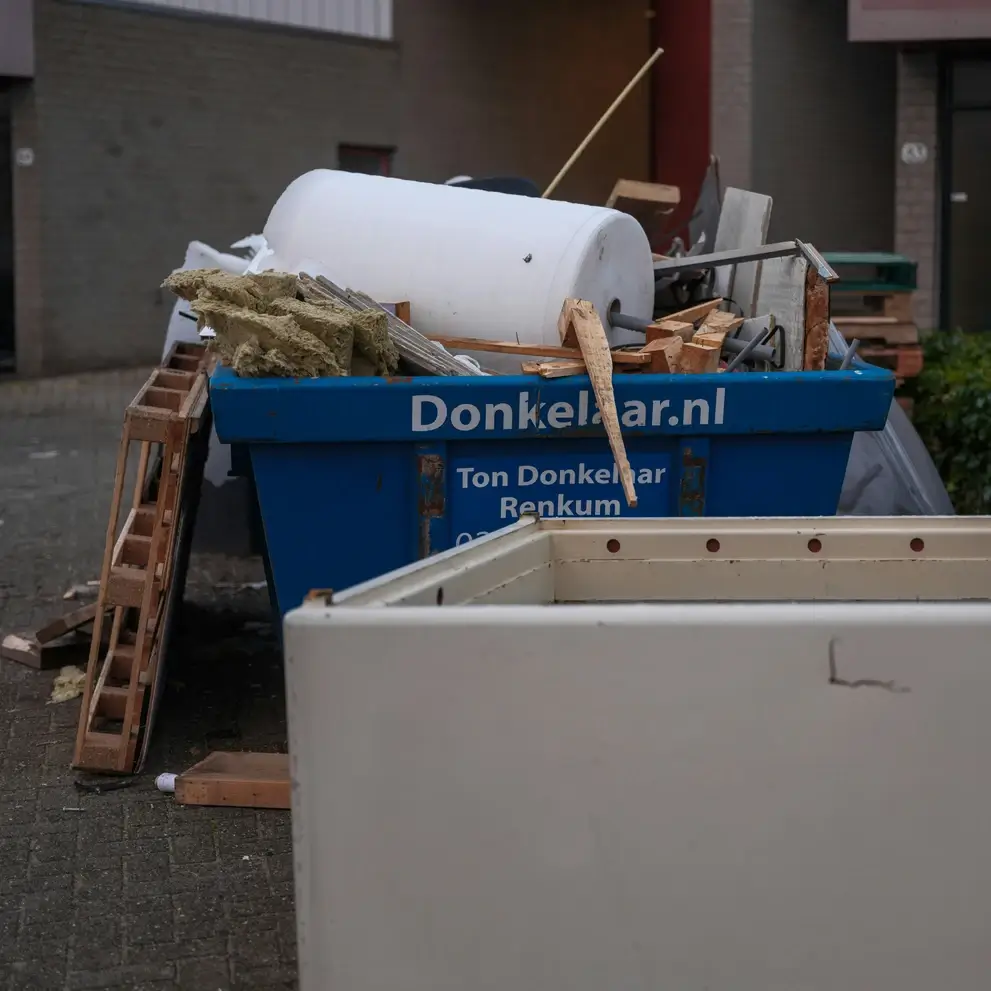
Skip hire in Ruislip should make waste removal straightforward when you have a sensible load to clear and want a simple, organised collection. Our service covers domestic, trade and light commercial needs, with options that suit renovation debris, general clear-outs and ongoing project waste. The aim is practical rather than elaborate: choose a suitable skip, place it where access allows, load it safely and arrange collection when it is ready.
We help customers compare common skip sizes and decide whether domestic skip hire, builders skip hire or a different disposal route is the better fit. Some jobs need a standard container on a drive or site; others work better with wait and load arrangements or a quicker clearance approach. If you are unsure which option suits your waste type and space, start with the job details and the amount of material involved.
For a straightforward enquiry, it helps to note the type of waste, the approximate volume and any restrictions on access. You can also review our skip sizes and prices page for a clearer idea of the usual options before you choose. If you already know the service you need, you can move directly to a quotation request and keep the rest simple.
Domestic skip hire for home clear-outs and refurbishment work
Domestic waste projects often involve mixed materials that are awkward to move in cars or bin bags. Our domestic skip hire service is suitable for household decluttering, kitchen rip-outs, bathroom updates and other non-hazardous clearances where a single container can handle a steady stream of waste. The benefit is order and containment: items stay in one place, the site remains easier to manage and the final uplift is arranged as a single collection rather than many small trips.
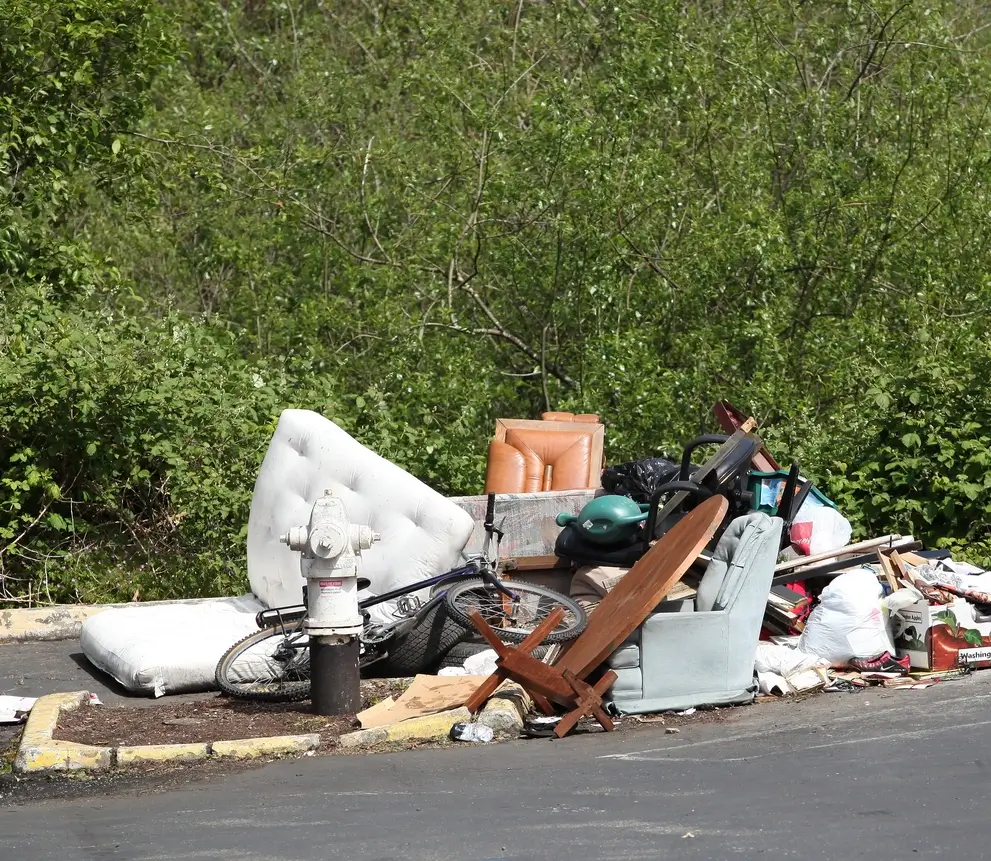
When planning a domestic skip, it is worth thinking about what will actually go in it. Furniture, packaging, timber and light renovation waste are common examples, but heavier materials and restricted items need checking first. Our guidance on what can go in a skip is useful if you want a simple overview before you book. If your load includes items such as fridges, mattresses or other specialist waste, separate handling may be more appropriate.
Suitable waste streams and practical choices
Household customers often choose between a small skip for clear-outs and a larger size for refurbishments or garden projects. The right choice depends on waste density as well as volume, because bulky but light material behaves differently from broken tiles, rubble or soil. If you are clearing a loft, garage or whole room, it is usually better to estimate slightly generously rather than overfill a container and create avoidable delays.
Builders skip hire and construction waste disposal
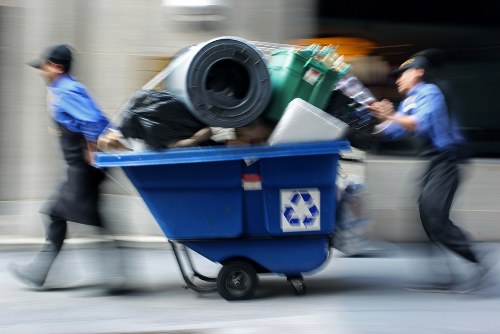
Builders skip hire is designed for projects that generate steady volumes of inert and mixed construction waste. That can include bricks, rubble, plasterboard, timber offcuts, packaging and general debris from alterations or refurbishments. Where waste is generated over several days, having a skip on site helps keep work areas clearer and makes sorting easier as the job progresses.
For building work, access and positioning matter. A skip needs enough space to be delivered, used safely and later collected, and the surface beneath should be able to take the load. If your project is tighter on room, alternatives such as wait and load skip hire or grab hire services may suit the site better. These options can help when permits, frontage space or prolonged placement are less convenient.
We also support construction waste disposal for customers who need a more focused route for demolition debris, strip-out waste or mixed site material. This is useful where the waste profile is predictable and the main requirement is efficient removal rather than long-term storage. For more substantial strip-outs, our demolition waste removal service can be a better fit because it is geared towards heavier, dirtier loads and the realities of phased clearance.
Choosing the right skip size, permit and collection option
Choosing a skip is usually easier when you look at waste type, access and timing together. A smaller container may suit a light domestic project, while a larger container can be appropriate for repeat loading over several days. The better option is not always the largest one; a container that matches your space and loading method is often the most practical. If you need guidance, our skip permits information can also help where placement on public highway land may be relevant.
Collection timing is another important factor. Some customers want the skip to remain available while they sort waste gradually, while others need a quicker turnaround once a phase of work is complete. For those situations, a same-day or prompt uplift may be possible on suitable bookings, and our same-day skip hire page outlines that service in more detail. If speed is important, make sure the booking notes reflect access, loading time and any site constraints.
- Choose the waste route that matches the material, not just the quantity.
- Allow space for safe delivery and collection.
- Check whether your waste needs sorting before booking.
- Keep a note of any access limits, narrow drives or shared entrances.
Garden waste removal, garage and loft clearance
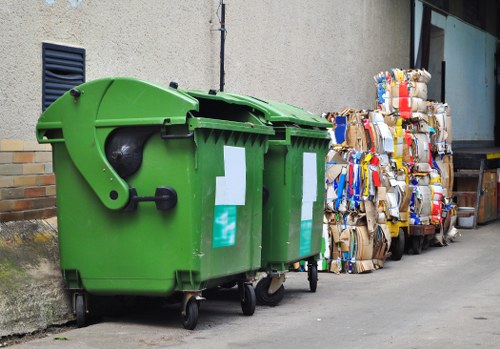
Garden waste removal is a practical option when branches, soil, hedge trimmings and mixed outdoor debris would otherwise build up faster than your own transport can handle. It is especially useful after pruning, landscaping or seasonal tidy-ups. Depending on the load, you may prefer a skip for ongoing work or a more direct clearance service if the waste is ready to leave in one organised collection.
For indoor and storage areas, our garage and loft clearance service can support clear-outs where the items are varied and the space is awkward to empty. These areas often contain a mix of reusable goods, broken items, packaging and light rubbish, so the best approach is usually to separate obvious keepers from genuine waste before the collection day. That makes loading simpler and reduces avoidable sorting on site.
Some garden and storage clearances also overlap with broader domestic clearance work. In those cases, the right decision often comes down to whether you want to load the waste yourself or have it removed as part of a single clearance visit. Either way, the goal is the same: a controlled process that leaves the area ready for the next stage of work.
House clearance and office clearance options
House clearance is best approached with a clear idea of what stays, what leaves and what needs separate handling. This service can suit probate-related clearances, downsizing projects and the removal of accumulated household items that are no longer needed. A skip may be suitable where the waste is mainly non-hazardous and you are happy to load it yourself, while a clearance service is often more convenient where access or sorting is more complex.
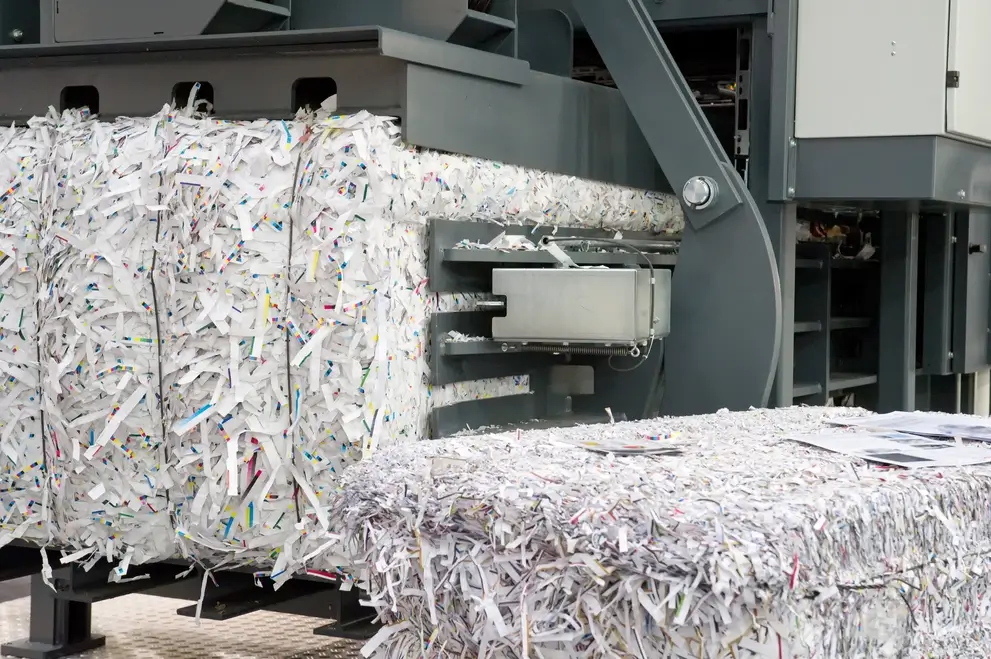
We also provide office clearance for desks, chairs, filing, packaging and other non-sensitive workplace waste. If documents, storage units or equipment need careful handling, the process should be planned around confidentiality and access rather than speed alone. For paper-heavy material, our confidential shredding page is the right place to look when secure disposal matters more than simple bulk removal.
When comparing house and office clearances, it is sensible to look at the amount of segregation needed. Mixed waste, furniture, metal and paper can each have different disposal routes, so a tidy booking starts with a realistic description of the load. Clear information helps the team allocate the right vehicle or container and avoids surprises on collection day.
About Ruislip
Ruislip is a settlement in the London Borough of Hillingdon in west London, long associated with a village core, suburban growth and a network of green spaces that still shape its character. The historic heart of the area centres on the Church of St Martin, which has medieval origins, and the nearby Manor Farm complex, a reminder of older rural land use before later residential expansion. Ruislip’s place in London’s transport story is also notable: the Metropolitan line reached Ruislip in the early twentieth century, and later Tube development helped connect the district more closely with the wider capital. The locality includes a mix of shopping streets, housing estates and recreational land, with South Ruislip forming part of the wider area and Ruislip Manor and Eastcote nearby in the local geography. One of the area’s best-known open spaces is Ruislip Lido, a reservoir turned recreational site with woodland paths, a beach area and seasonal leisure use; this is complemented by the wider Colne Valley landscape to the west and the many mature trees and parks that soften the suburban streetscape. Several conservation interests remain visible in and around the district, including woodland and historic buildings that reflect its transition from rural parish to London suburb. The result is a place with a layered identity: partly historic, partly residential and still shaped by accessible green corridors, local centres and an everyday pattern of community life.
Commercial skip hire for businesses and managed sites
Commercial skip hire supports shops, offices, landlords, facilities teams and trades that need waste removed as part of regular operations. The right arrangement depends on the type of material and the pace at which waste is produced. Some customers need a repeatable collection pattern for ongoing work; others just want a one-off container for a move, refit or clean-out. Our service is built around practical handling rather than unnecessary complexity.
For mixed business waste, the main decisions are access, loading method and disposal category. Office furniture, packaging, shelving and refurbishment debris can often be kept together if the material is suitable, but specialist waste should always be separated where required. Where business sites need broader clearance support, our site clearance service can help with larger or more varied loads. If your business waste is already separated and ready to move, our commercial skip hire page gives a useful route into the main service.
We can also support customers with rubbish removal when the waste is better taken away directly than stored in a skip. This is often considered where the load is awkward, time-sensitive or spread across different spaces. For many business customers, the choice is not just about price but about whether a container, a direct removal visit or a mixed approach is the most efficient way to keep the premises clear.
What affects the quotation for skip hire
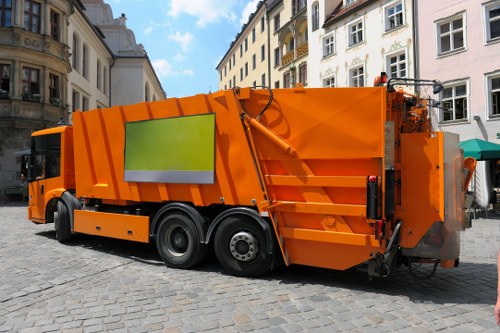
A quotation is shaped by a small number of practical factors rather than a fixed formula. Waste type, skip size, access, collection timing and any permit-related issues can all influence the final arrangement. If the load contains heavier material, or if the site is difficult to reach, the suggested service may differ from a simple driveway booking. That is why an accurate description matters more than guessing the smallest possible option.
We also consider whether the job involves a straightforward skip, a specialist clearance route or a service with more control over where the waste is moved. Customers planning mixed clear-outs sometimes benefit from related services such as house clearance or builders waste removal, depending on how the job is set up. If you are not certain which direction to choose, the most useful first step is to compare the material, the timescale and the space available.
Before requesting a quotation, it is sensible to gather a short list of details: the main waste type, approximate volume, access restrictions and whether the job is domestic or commercial. You do not need a long explanation, but a concise summary helps with the recommendation. If the waste includes bulky appliances, consider whether a specialist route such as fridge and appliance removal is more suitable than a standard skip.
Recycling, special waste and final booking guidance
Waste handling is not just about removal; it also involves sorting what can be reused, recycled or handled separately. Our waste recycling services page explains the wider approach to responsible disposal, while the recycling and sustainability page gives more detail on the values behind that process. These pages are useful if you want to understand how different waste streams may be treated after collection.
Some loads need extra care because of their contents. Hazardous material must not be treated as ordinary skip waste, and specialist disposal routes apply where items are unsafe, regulated or otherwise unsuitable for standard mixed loads. For those cases, hazardous waste disposal provides the relevant service information. If your waste is mainly furniture, soft furnishings or other bulky household items, a focused route such as mattress and sofa disposal may be the more efficient option.
Ready to compare options? Review the relevant service page, decide whether skip hire, clearance or direct removal is the best fit, and then ask for a quotation. Request a quotation when you are ready, or use the contact route on the site if you want to talk through the job first. A clear waste description is usually enough to begin.